
TL;DR:
- A home appraisal is an unbiased estimate of a property's market value ordered by the lender to determine if the home is worth the loan amount. It influences loan terms, negotiating power, and the closing timeline, while a home inspection assesses the physical condition of the property. Buyers should understand the differences between these processes, challenge low appraisals with supporting data, and always include an appraisal contingency in their contract.
A home appraisal is a licensed professional's unbiased estimate of a property's fair market value, ordered by the lender to confirm the home is worth the loan amount. The role of appraisal in home buying extends far beyond a formality. It shapes your loan approval, your interest rate, your down payment, and your negotiating position. Many first-time homebuyers confuse it with a home inspection, which is a separate process focused on physical condition. Understanding how appraisals work gives you real leverage in one of the largest financial decisions of your life.
How does the appraisal process work in real estate?
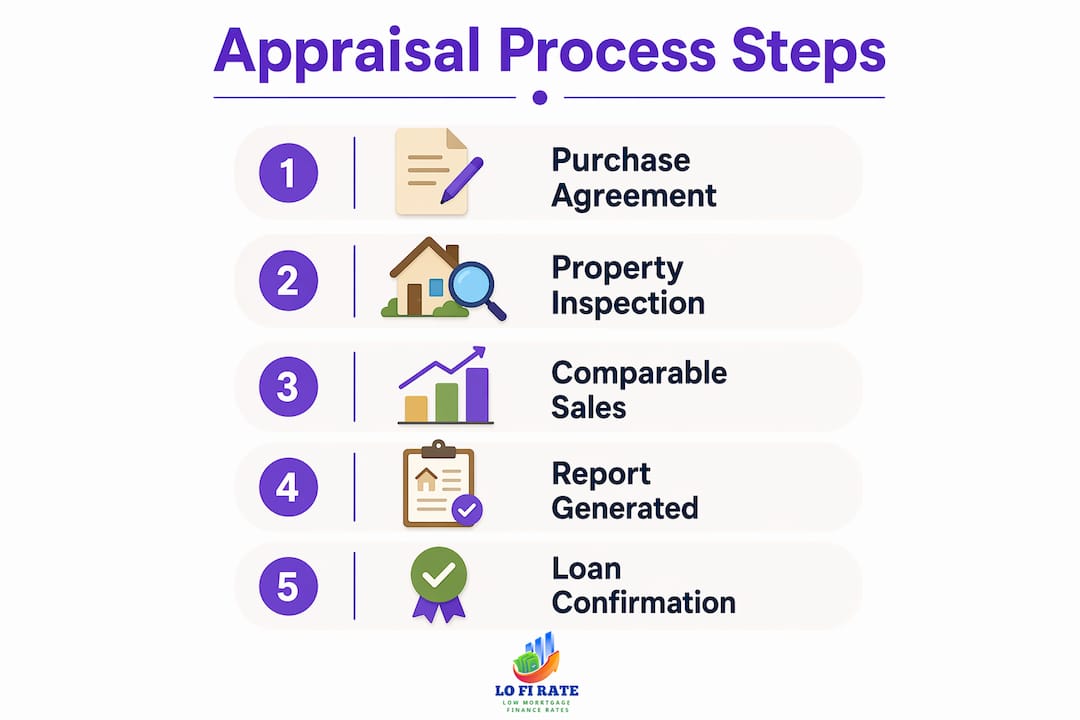
The appraisal process in real estate follows a structured sequence that begins after you sign a purchase agreement. Your lender orders the appraisal from an independent, licensed appraiser. You pay the fee, but the lender is the actual client receiving the report.

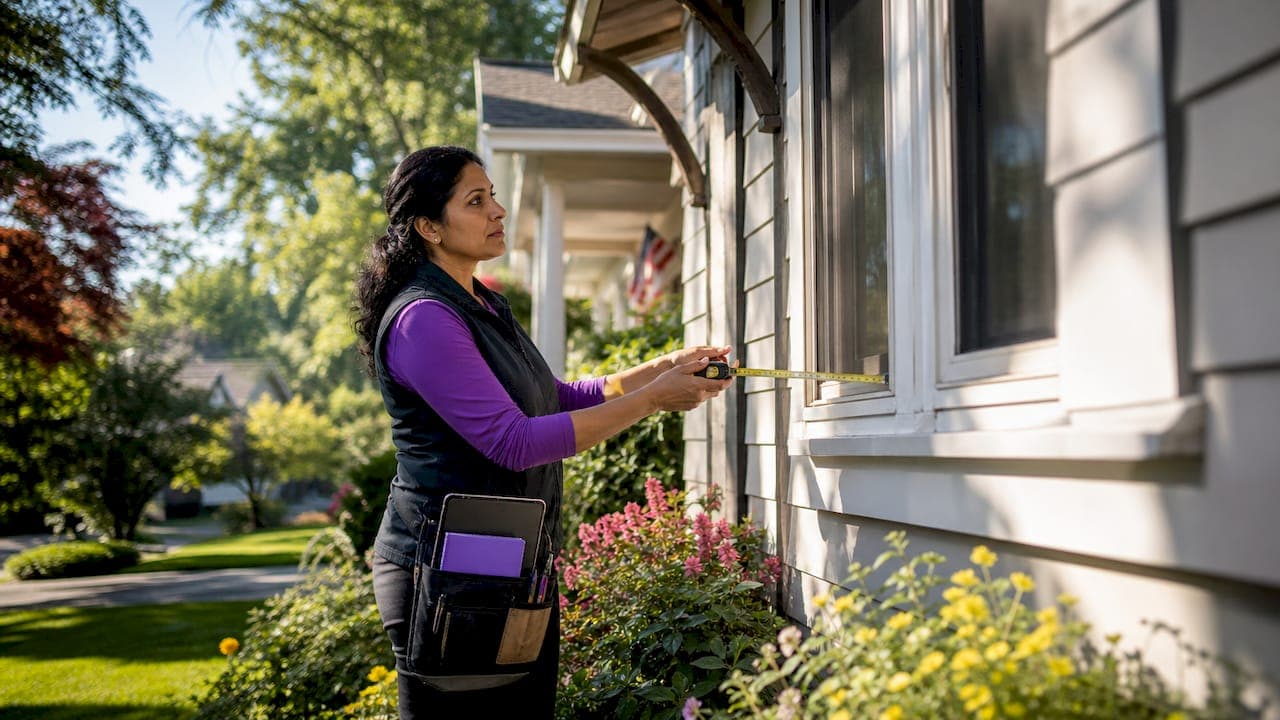
The appraiser visits the property and conducts a brief physical inspection. They measure square footage, note the number of bedrooms and bathrooms, assess the condition, and document features like a garage, updated kitchen, or pool. This visit typically takes 30 minutes to a few hours depending on property size.
After the visit, the appraiser selects 3–5 comparable sales from the past 6–12 months within the same market area. These are called "comps." The appraiser then adjusts the value up or down based on differences between the subject property and each comp, such as square footage, upgrades, or lot size. Adjustments can range from $50 to $150 per square foot for size differences alone.
The final appraisal report goes directly to your lender. The appraisal timeline varies from a few days to three weeks, depending on property complexity, loan type, and local appraiser availability. Delays can push back your closing date, so building buffer time into your schedule is a practical move.
Here is the typical sequence from start to finish:
- Purchase agreement is signed and lender orders the appraisal.
- Appraiser schedules and conducts the property inspection.
- Appraiser researches comparable sales and makes value adjustments.
- Appraisal report is completed and delivered to the lender.
- Lender reviews the report and proceeds with underwriting.
Pro Tip: Ask your real estate agent to provide the appraiser with a list of recent comparable sales and any upgrades you have made to the property. Appraisers are not required to use your suggestions, but factual data can support a stronger valuation.
Why does the appraisal matter for buyers, sellers, and lenders?
The appraisal serves a different purpose for each party in the transaction. Understanding those differences prevents misaligned expectations and costly surprises.
The appraisal is primarily a risk management tool for the lender. The lender needs to know that if you default on the loan, the property can be sold to recover the balance. A lender will not approve a loan for more than the appraised value of the home.
For buyers, the appraisal provides a layer of financial protection. If a home is listed at $450,000 but appraises at $420,000, you now have documented evidence that the asking price exceeds market value. That gives you grounds to renegotiate, ask the seller to lower the price, or walk away without losing your earnest money if you have an appraisal contingency in your contract.
For sellers, a strong appraisal validates the asking price and removes a major obstacle to closing. A low appraisal, on the other hand, can stall or kill a deal entirely.
Key ways the appraisal affects each party:
- Lenders use the appraised value to set the maximum loan amount and assess default risk.
- Buyers gain protection against overpaying and the right to renegotiate if the value comes in low.
- Sellers receive validation of their price or a signal to adjust expectations.
- Loan terms shift based on the appraisal. A higher value can support better interest rates and lower required down payments.
"The appraisal serves the lender's risk management, not the buyer's or seller's interest directly. Buyers who understand this distinction can plan their negotiation strategy more effectively." — Opendoor
How does a home appraisal differ from a home inspection?
Buyers and sellers frequently confuse the appraisal with a home inspection. The two serve completely different functions, and mixing them up leads to costly misunderstandings.
An appraisal determines market value. An inspection evaluates physical condition. The appraiser is hired by the lender. The inspector is hired by the buyer or, in some cases, the seller. Both may be required in the same transaction, and neither replaces the other.
Appraisers note only significant defects that affect value or trigger repair requirements on government-backed loans like FHA or VA loans. They do not test appliances, check for mold, or assess the roof's remaining lifespan in detail. A home inspection covers all of that.
| Feature | Home Appraisal | Home Inspection |
|---|---|---|
| Primary purpose | Estimate market value | Evaluate physical condition |
| Who orders it | Lender | Buyer (or seller) |
| Who pays | Buyer | Buyer |
| Influences | Loan approval and terms | Repair negotiations |
| Covers defects | Only major value-affecting issues | Full structural and system review |
| Required by lender | Yes, for most loans | No, but strongly recommended |
Skipping the inspection because you had an appraisal is a common and expensive mistake. The appraisal will not tell you the HVAC system is failing or that the foundation has a crack.
How do appraisal results affect your loan and buying strategy?
The appraisal outcome directly determines what happens next with your financing. When the appraisal meets or exceeds the purchase price, the lender proceeds with standard terms. Your loan amount, interest rate, and down payment stay on track.
A low appraisal creates a gap between the purchase price and the appraised value. That gap is called an appraisal shortfall. Lenders will not finance the difference, so you have to cover it another way.
Your options when the appraisal comes in low:
- Renegotiate the price. Ask the seller to lower the purchase price to match the appraised value. Sellers motivated to close will often agree.
- Pay the difference in cash. If you have the funds, you can cover the gap out of pocket and proceed at the original price.
- Request a Reconsideration of Value. Buyers can formally challenge a low appraisal by submitting overlooked comparable sales or correcting factual errors in the report. This requires objective evidence, not just disagreement with the number.
- Walk away. If your contract includes an appraisal contingency, you can exit the deal and recover your earnest money. Learn more about how appraisal contingency clauses protect your deposit.
Pro Tip: Always include an appraisal contingency in your purchase contract. Without it, walking away from a low appraisal means forfeiting your earnest money deposit.
The appraisal also affects your loan-to-value ratio, which lenders use to set your interest rate and determine whether you need private mortgage insurance. A lower appraised value raises your loan-to-value ratio, which can increase your borrowing costs.
What do appraisals cost, and how does loan type affect the fee?
Appraisal fees vary based on loan type, property size, and location. Standard conventional appraisals cost $300 to $400 for a typical single-family home. Government-backed loans carry higher fees because they require stricter appraisal standards.
Buyers pay the appraisal fee and it typically appears in your closing disclosure. You do not choose the appraiser. The lender selects one from an approved panel to maintain objectivity.
| Loan Type | Typical Appraisal Cost |
|---|---|
| Conventional loan | $300–$400 |
| FHA loan | $400–$900 |
| VA loan | $400–$900 |
| Complex or rural property | $1,000 or more |
FHA and VA appraisals cost more because appraisers must meet additional government requirements and complete more detailed reports. For buyers comparing FHA and conventional loans, the appraisal cost difference is one factor worth building into your budget.
Rural or unique properties cost more because finding comparable sales is harder and the appraiser may need to travel farther. Budget for the higher end of the range if you are buying outside a major metro area.
Key Takeaways
The appraisal is the lender's primary tool for confirming a property's market value, and its outcome directly controls your loan terms, negotiating power, and closing timeline.
| Point | Details |
|---|---|
| Appraisal protects the lender | Lenders order appraisals to confirm the property covers the loan amount in case of default. |
| Buyers fund but don't control it | You pay the appraisal fee but cannot choose the appraiser or control the report. |
| Low appraisals create options | Renegotiate the price, pay the gap in cash, or request a Reconsideration of Value. |
| Appraisal and inspection are different | Appraisals assess market value; inspections assess physical condition. Never skip the inspection. |
| Costs vary by loan type | Conventional appraisals run $300–$400; FHA and VA appraisals can reach $900 or more. |
What first-time homebuyers get wrong about appraisals
Most first-time buyers treat the appraisal as a box to check. That mindset costs money. The appraisal is actually one of the most consequential steps in the entire transaction, and how you prepare for it matters.
The biggest mistake I see is buyers assuming the appraiser will automatically find the same value the seller is asking. Appraisers follow the data. If the comps in your neighborhood do not support the price, the number will come in low regardless of how much you love the house.
The second mistake is ignoring the timeline risk. Appraisal delays are real, and they can push your closing date back by days or weeks. Buyers who do not build contingency time into their schedule end up scrambling to extend rate locks, which costs money.
My honest advice: treat the appraisal as your financial checkpoint, not an obstacle. If it comes in low, that is information. Use it. Renegotiate, challenge the report with real data, or walk away if the numbers do not work. The appraisal contingency exists for exactly this reason. Use it every time.
Also, do not rely on the appraisal to tell you whether the home is in good condition. The appraiser notes major issues but does not dig into systems and structure the way an inspector does. Budget for both. The combined cost is a fraction of what a missed defect can cost you after closing.
— LoFi
How Lofirate helps you navigate appraisal and financing
Understanding the appraisal is only part of the equation. The loan terms attached to that appraised value determine your actual monthly cost for the next 15 to 30 years.

Lofirate connects homebuyers with licensed wholesale mortgage brokers who shop multiple lenders to find competitive rate options. Retail lenders offer only their own pricing. Wholesale brokers have access to a wider range of loan products, which matters especially when an appraisal outcome affects your loan-to-value ratio or down payment requirements. Visit Lofirate to request a no-obligation consultation and see what rate options are available for your situation. If you want to compare loan products and understand how appraisal standards differ across them, the broker matching service at Lofirate is a practical starting point.
FAQ
What is the role of appraisal in home buying?
A home appraisal is an independent estimate of a property's market value, ordered by the lender to confirm the home is worth the loan amount. It protects the lender from financing more than the property is worth.
Who pays for the home appraisal?
The buyer pays the appraisal fee, which typically appears in the closing disclosure. The lender selects the appraiser to maintain objectivity, so buyers do not control who conducts the appraisal.
What happens if the appraisal comes in lower than the purchase price?
A low appraisal gives buyers the option to renegotiate the price, pay the gap in cash, request a Reconsideration of Value with supporting comparable sales, or walk away if an appraisal contingency is in the contract.
How long does a home appraisal take?
The appraisal timeline typically runs from a few days to three weeks, depending on property complexity, loan type, and local appraiser availability. Delays can affect your closing schedule.
Is a home appraisal the same as a home inspection?
No. An appraisal estimates market value for the lender. A home inspection evaluates the physical condition of the property for the buyer. Both serve different purposes and neither replaces the other.